
A TRUE GROWTH MINDSET 🤔
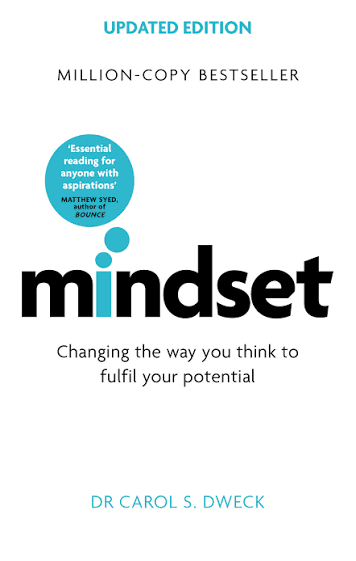
I finally read Mindset by Carol Dweck. Twenty years after everyone else in sport started quoting it.
Here's what struck me. Sport talks growth mindset better than almost any industry. But the systems we build don't always match the language we use. I've been part of that gap myself.
We tell our teenagers aspiring to be a professional athlete that effort beats talent, then hand them a career forecast based on a combine result. We tell players failure is feedback, then run reviews that feel more like verdicts than lessons. Our systems still drift toward measurement, and measurement drifts toward labels, the old you can't manage what you can't measure adage.
A few things from the book that hit home and rang true for me after 18 years inside AFL clubs:
1. Praise the process, not the potential.
Dweck's research shows praising talent creates kids who avoid hard things to protect the label. I've seen highly rated juniors carry that weight. The "gifted" or "natural talent" tag becomes a weight on the shoulders they spend years trying to shake off. Meanwhile the kid nobody rated, with nothing to protect, just keeps getting better.
2. "Not yet" is the most underused phrase in football departments.
A player who can't defend one on one isn't a bad defender. He can't defend one on one yet. Sounds soft, but it isn't. It changes what the coaching intervention looks like. One version writes a player off. The other writes an individual development plan.
3. Beware the false growth mindset.
I loved this section of the book, and is probably the most powerful message. A lot of people role out words that look like they are supporting a growth mindset, but its a false dawn. Growth mindset is not telling everyone to try harder while changing nothing about how you select, review and develop. If the language changed but the process didn't, you don't have a growth mindset. You just have words on a wall.
4. The scoreboard lies about learning.
Wins hide bad habits. Losses expose good ones early. The best programs I've been part of review a four goal win with the same rigour as a four goal loss. It's harder than it sounds. Winning makes everyone a worse listener, and listening (and asking great questions) is the key to learning.
The bit that stayed with me the most, I coach junior footy on the weekend, and the fixed mindset arrives long before the AFL does. It arrives the first time a coach/parent/teacher tells a junior they are who they are and that wont change, rather than focusing on helping them develop, and showing them what they "can be." That one's on all of us who work with young athletes, and it's the easiest one to fix.
STORY TELLING IN SPORT 🏀⚾️⚽️
The most powerful thing I've seen in elite sport isn't an innovative training drill or a new game plan. It's a coach who can tell a story.
I've been lucky enough to work alongside may great coaches who understood this. Who could walk into a room, connect a player to something bigger than the game in front of them, and completely shift the energy. I've watched it change individuals. Whole clubs. The people in the stands.
With the Football World Cup beginning, stories are being told, whether doco's or recreations, and one that hit the point of the importance of storytelling was Dear England, more importantly the influence of Gareth Southgate as a coach on his playing group.
Southgate didn't fix England's talent problem. They had plenty of talent. He fixed the story the group had inherited. 55 years of penalty trauma, of expecting to lose when it mattered. He gave players permission to rewrite it.
And the expectation piece is what most environments get wrong. Expectation from fans, media, history doesn't land the same for every person in the room. For some it's fuel. For others it's paralysis. The best coaches I've been around know the difference, and build accordingly.
I'm trying to bring more story telling to my own coaching, not only in sport but in business, and the more I use it, the more you can see the positive impact it can have on behaviours...
CLARITY AND DECISION MAKING IN THE AI ERA
Just finished The Art of Thinking Clearly by Rolf Dobelli, and it honestly felt like holding up a mirror to my own decision making. Not always comfortable as it was so sharp in identifying some of my blind spots, but incredibly valuable.
It’s a strong reminder that in high performance sport, the real edge often comes from how clearly we think. Selection calls, game plan shifts, list decisions, they’re all vulnerable to bias if we’re not careful.
What struck me most is how AI and emerging technology can now play a role in this. Not to replace judgement, but to challenge it. To surface blind spots, test assumptions, and bring a level of objectivity when the noise is loud and the pressure is high.
Better thinking isn’t about being smarter. It’s about awareness. And sometimes the smartest thing we can do is build systems around us that help us think more clearly.
This is something we care deeply about at FutureEdge Sport, designing environments with our clients where disciplined thinking sits alongside talent, experience, and now intelligent technology. Because high performance is just as cognitive as it is physical.
Question to the floor, where do you see AI helping (or hindering) decision-making in sport?
🔵🏉 𝗟𝗲𝘀𝘀𝗼𝗻𝘀 𝗳𝗿𝗼𝗺 𝗔𝗺𝗲𝗿𝗶𝗰𝗮’𝘀 𝗧𝗲𝗮𝗺 𝗼𝗻 𝗡𝗲𝘁𝗳𝗹𝗶𝘅: 𝗪𝗵𝘆 𝗧𝗮𝗿𝗴𝗲𝘁𝗲𝗱 𝗜𝗻𝗻𝗼𝘃𝗮𝘁𝗶𝗼𝗻 𝗪𝗶𝗻𝘀
I’ve just finished watching America’s Team: The Gambler and His Cowboys on Netflix, and while it’s a story from the ’90s NFL, it might be one of the best reminders for modern sporting programs across all codes today.
What resonated with me the most wasn’t just the talent the Cowboys had at their disposal, or the Superbowl victories over this period, it was the contrast they displayed between targeted innovation and chaotic innovation.
The Cowboys were an incredible team to watch.
· A-list talent. Big calls. Massive upside ✅
· They weren’t afraid to take risks, and some of those risks built a dynasty ✅
But they also lived in the danger zone:
· Decisions driven by ego, emotion, and instinct rather than structure 🚫
· Innovation that was bold, but not always stable 🚫
· And when the alignment cracked, everything came down fast 🚫
You often see this in modern sporting clubs. Some clubs swing big, some hold steady, some chase trends, and some build systems. Talent may vary between Clubs, but one of the biggest differentiators in outcomes is whether the innovation is measured or chaotic.
From a FutureEdge Sports perspective, the lessons are clear, particularly for AFL Clubs:
𝟭. 𝗜𝗻𝗻𝗼𝘃𝗮𝘁𝗶𝗼𝗻 𝗵𝗮𝘀 𝘁𝗼 𝗯𝗲 𝘁𝗮𝗿𝗴𝗲𝘁𝗲𝗱 🎯
Not scatter gun.
Not copy the leader.
But picking the edge and innovations that actually fit your people, your environment and your DNA.
𝟮. 𝗦𝘆𝘀𝘁𝗲𝗺𝘀 𝗺𝗮𝘁𝘁𝗲𝗿 𝗺𝗼𝗿𝗲 𝘁𝗵𝗮𝗻 𝗺𝗼𝗺𝗲𝗻𝘁𝘀 📊
The best AFL programs make progress because their innovation is repeatable, not a one-off idea or a personality-led spark.
𝟯. 𝗕𝗲𝗵𝗮𝘃𝗶𝗼𝘂𝗿 𝗱𝗿𝗶𝘃𝗲𝘀 𝘁𝗵𝗲 𝗲𝗱𝗴𝗲 ⭐️
Innovation only sticks if the group can apply it every day, in meetings, on the training track, in games.
𝟰. 𝗔𝗹𝗶𝗴𝗻𝗺𝗲𝗻𝘁 𝘁𝘂𝗿𝗻𝘀 𝗶𝗻𝗻𝗼𝘃𝗮𝘁𝗶𝗼𝗻 𝗶𝗻𝘁𝗼 𝗽𝗲𝗿𝗳𝗼𝗿𝗺𝗮𝗻𝗰𝗲 💡
Without alignment, even the smartest ideas turn into noise.
𝟱. 𝗦𝘁𝗮𝗯𝗶𝗹𝗶𝘁𝘆 𝗶𝘀 𝗮𝗻 𝗲𝗱𝗴𝗲 𝘁𝗼𝗼 🪨
The Cowboys had brilliance, but not always guardrails. Modern AFL clubs need both.
The takeaway for me, whether it’s through the footy context or any sporting organisation is:
· Great teams innovate
· Great programs innovate with clarity.
That’s the difference between progress and chaos. Between having a few good moments rather than a sustained era of success, and exactly the space FutureEdge Sport operates in, helping clubs and organisations build targeted, measured, sustainable innovation that actually enhances performance, not overwhelms it.
Seeing the Game Differently: A Conversation with Marcus Wagner on How Optical AI Is Changing Sport
Written by Anthony Soriano from iCoach Software.
In professional sport, data has always been power. But the way teams capture, interpret, and act on that data is changing faster than ever, and optical tracking sits firmly at the centre of that transformation.
To explore where the next wave of innovation is heading, I sat down with Marcus Wagner, Founder of FutureEdge Sport. Marcus has led the evolution of data-driven performance at both Collingwood and Melbourne Football Clubs, where he designed systems, projects, and environments that bridged technology, coaching, and strategy. We discussed the rise of AI-powered optical tracking and how it’s redefining performance analysis across the world.
🔥 10 Factors of Greatness 🔥
I recently listened to an episode of The School of Greatness podcast, and really connected with the below 10 factors for greatness. They are simple and easy to understand, and provide a reminder that high performance starts long before we see wins or outcomes. It’s built in the habits, the mindset, and the attitude we choose to show up with every day.
1️⃣ Create a Vision
2️⃣ Turn Adversity into Advantage
3️⃣ Cultivate a Champion Mindset
4️⃣ Develop Hustle and Discipline
5️⃣ Live a Life of Service
6️⃣ Master Your Body and Your Health
7️⃣ Build Your Team
8️⃣ Practice Gratitude
9️⃣ Choose Courage over Comfort
🔟 Live with Purpose
I love how Lewis Howes frames this, greatness isn’t about fleeting moments of success, it’s about the consistency of character, a long term grind.
Worth a listen if you get the chance.
hashtag#HighPerformance hashtag#Leadership hashtag#Greatness hashtag#GrowthMindset hashtag#FutureEdgeSport
🏆 Winning isn’t an event, it’s a system.
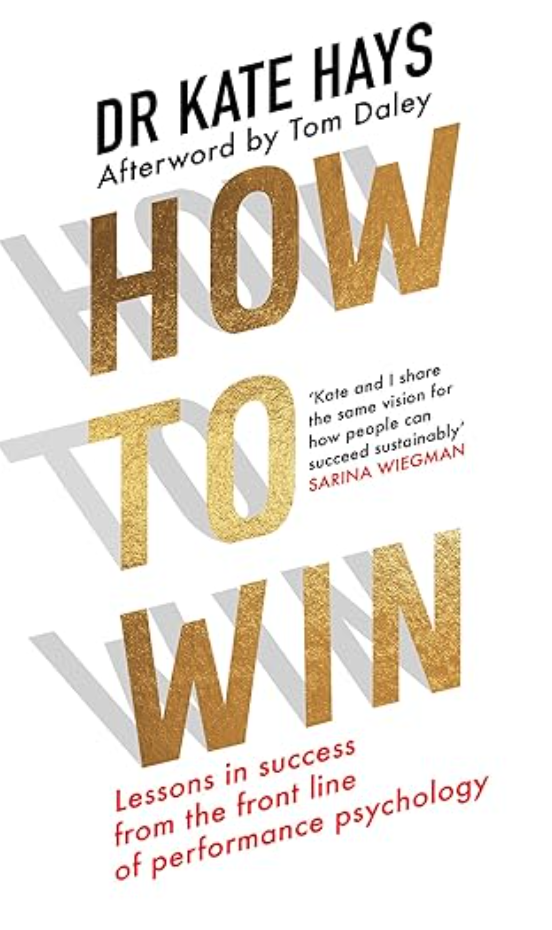
After nearly two decades in football, across AFL, AFLW and VFL premiership environments, I’ve learned that sustainable success isn’t about a single season, a game plan, or a fickle bounce of the ball, sorry to Saints supporters.
It’s about building environments where people thrive under pressure, not just survive it.
Reading How to Win by Dr. Kate Hays really brought that to life. A few key lessons that resonated with me 👇
1️⃣ Winning must be sustainable. The best programs don’t chase moments, they build systems and behaviours that make winning repeatable.
2️⃣ Identity & purpose first. Before structure or strategy, you need clarity on who we are and why we exist.
3️⃣ Four questions drive alignment: Who are we? Why are we here? How do we play? How do we win?
4️⃣ Culture = behaviour. High standards thrive where honesty and psychological safety coexist.
5️⃣ Pressure is predictable. Train for it deliberately, composure comes from rehearsal.
6️⃣ Challenge + care = growth. Great leaders stretch people while keeping them supported.
7️⃣ Play to your strengths. Confidence compounds when teams build from what already works.
8️⃣ Beyond sport. These lessons translate directly into business, leadership and life.
9️⃣ Winning is an infinite game. Reflect, recalibrate, evolve, always.
At FutureEdge Sport, we help teams and leaders design the systems, behaviours and environments that make winning inevitable
hashtag#FutureEdgeSport hashtag#Leadership hashtag#HighPerformance hashtag#Culture hashtag#SportInnovation hashtag#PerformancePsychology hashtag#WinningMindset
🏉🏈 Two books. Same title. Totally different playbooks
It all begins with an idea.
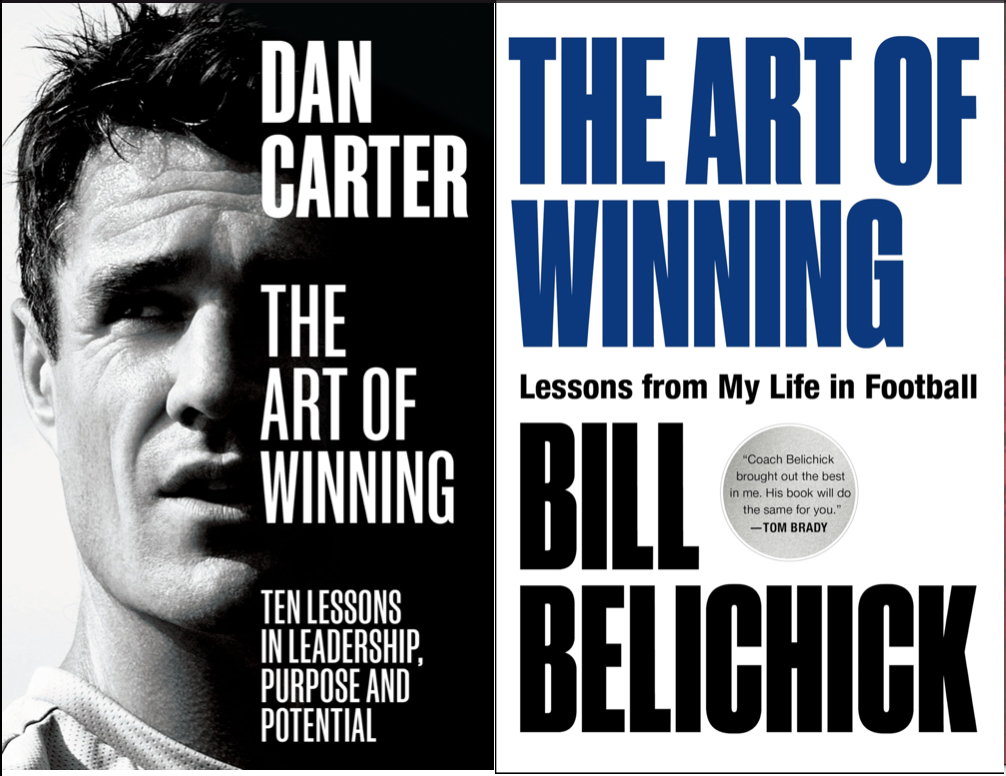
I've just finished reading The Art of Winning by Dan Carter (All Blacks legend) and The Art of Winning (based on Bill Belichick, NFL coaching mastermind). Same name, but very different philosophies on what it takes to win – and keep winning. Both are brilliant. Both offer lessons worth taking into business, sport, and life. But here’s the key contrast: ·
Carter talks about legacy, humility, purpose – winning from the inside-out. ·
Belichick drills down on systems, discipline, adaptability – winning from the outside-in.
They both land on similar truths:
✅ Discipline beats motivation
✅ Teams beat egos
✅ Preparation is everything
But they come at it from totally different angles – one a deeply reflective player, the other a strategic and uncompromising coach. If you're building a high-performing team (in sport or business), there’s gold in both.
🧠 Carter gives you mindset and meaning.
🔧 Belichick gives you systems and execution.
I’ve put together a comparison of their 10 core principles
1. Play with purpose (Carter) → Do your job, know your role (Belichick)
2. Discipline beats motivation (Carter) → Structure and systems win (Belichick)
3. Lead with humility and self-awareness (Carter) → No ego, no exceptions (Belichick)
4. Consistency over intensity (Carter) → Obsess over process and detail (Belichick)
5. Adapt and evolve personally (Carter) → Customise tactics for every opponent (Belichick)
6. Leave the jersey in a better place (Carter) → Build dynasties and sustained excellence (Belichick)
7. Put the team above yourself (Carter) → No one is bigger than the system (Belichick)
8. Train for pressure moments (Carter) → Practice every scenario until it's automatic (Belichick)
9. Master the inner game — mindset, calm, clarity (Carter) → Stay unemotional and laser-focused (Belichick)
10. Lead by example with discipline and effort (Carter) → Lead through performance and execution (Belichick)
Both paths lead to greatness — just through different doors. If you work in high performance, coaching, or leadership of any kind, both are well worth a read.